
Lutsk Hosts International Conference Marking the 30th Anniversary of the Revival of the Diocese of Lutsk
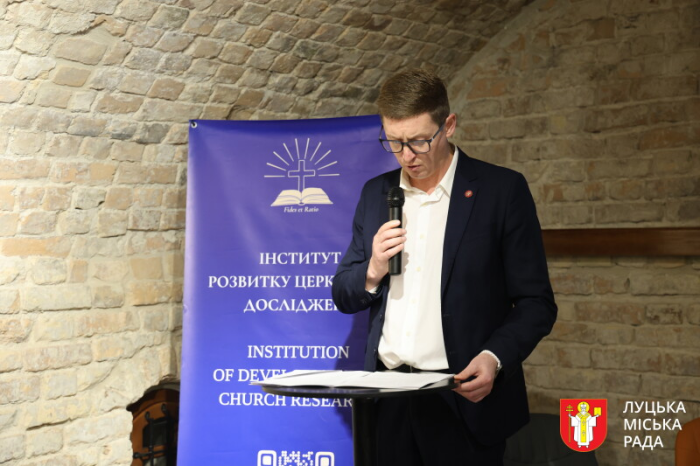
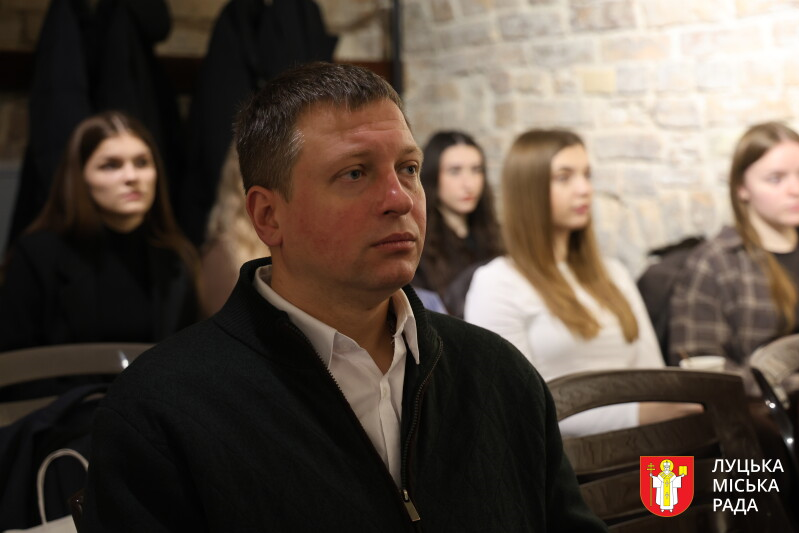
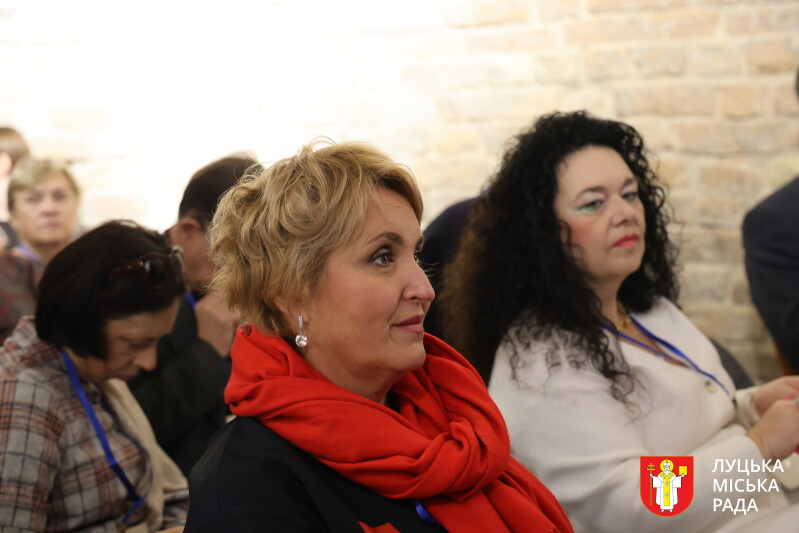
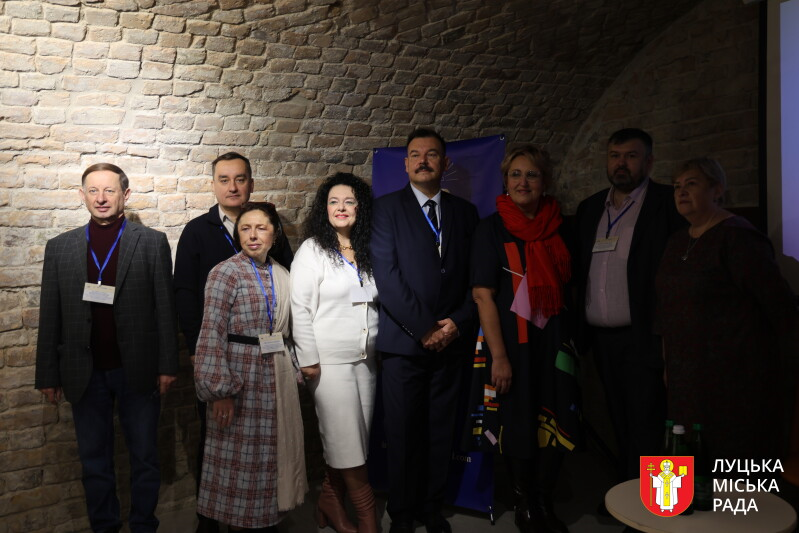
On Friday, 13 November, an international conference entitled “The Ukrainian-Polish Borderlands: Ethnocultural Relations and the Religious Factor” was held at Okolnyi Castle, marking the 30th anniversary of the revival of the Diocese of Lutsk of the Roman Catholic Church.
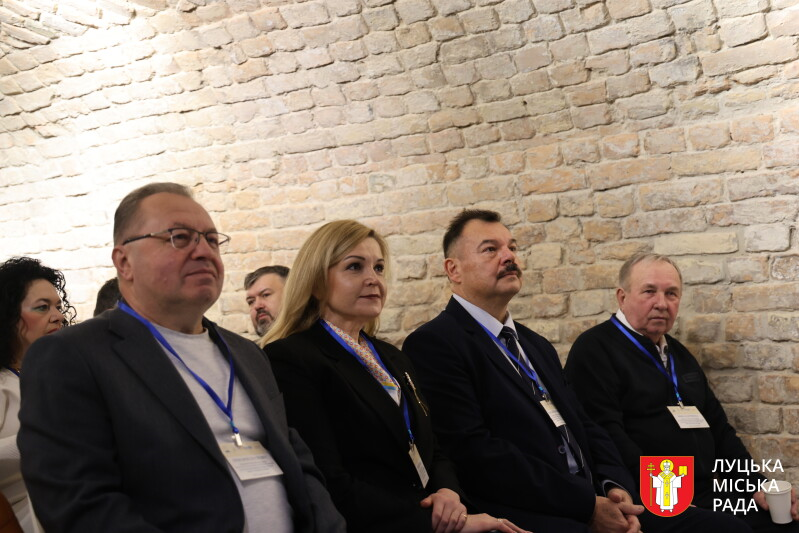
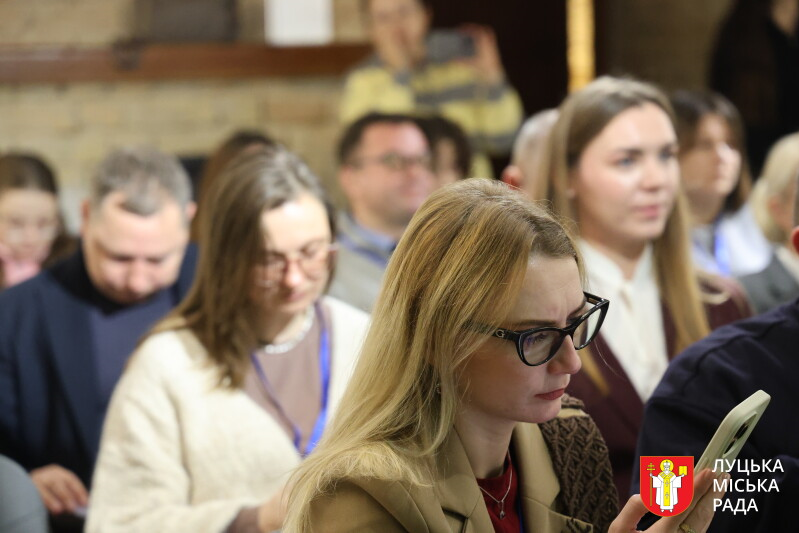
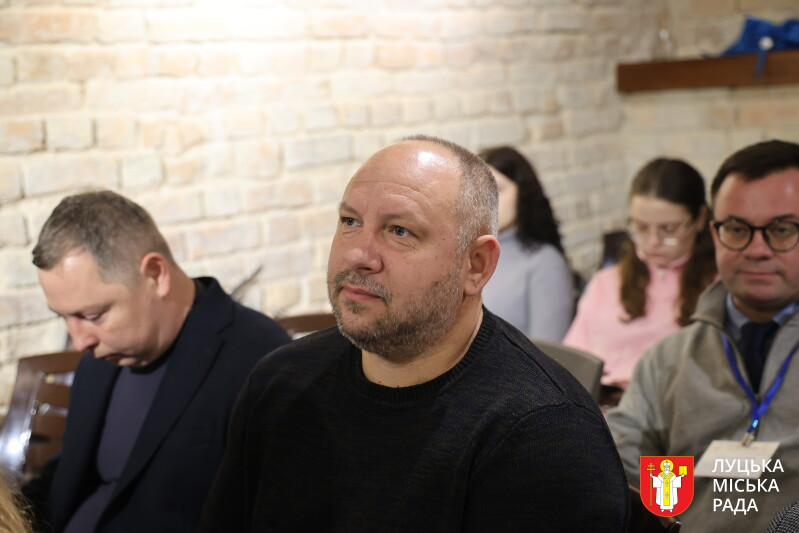
The event brought together clergy, academics and researchers from Ukraine and Poland. Participants discussed the shared history of Ukrainians and Poles, their ethnocultural relations, and the influence of religion on social life, culture, education and Ukrainian-Polish relations.
The revival of the Diocese of Lutsk was an important event in the religious and cultural life of Volyn. Following decades of Soviet persecution, church closures and oppression of clergy and believers, Catholic communities preserved their faith and prayer traditions, passing them on to future generations.
Among those attending the conference were Vitalii Skomarovskyi, Bishop of the Diocese of Lutsk and President of the Conference of Roman Catholic Bishops of Ukraine; Marek Wojciechowski, Consul of the Consulate General of the Republic of Poland in Lutsk; Jan Malicki, Director of the Centre for Eastern European Studies at the University of Warsaw and Honorary Professor at Lesya Ukrainka Volyn National University; and other participants.
Iryna Chebeliuk, First Deputy Mayor of Lutsk, attended the opening of the conference. In her welcoming remarks, she emphasised that the Roman Catholic community is an integral part of Lutsk's history and contemporary life, and that the shared past of Ukrainians and Poles requires further study and reflection.
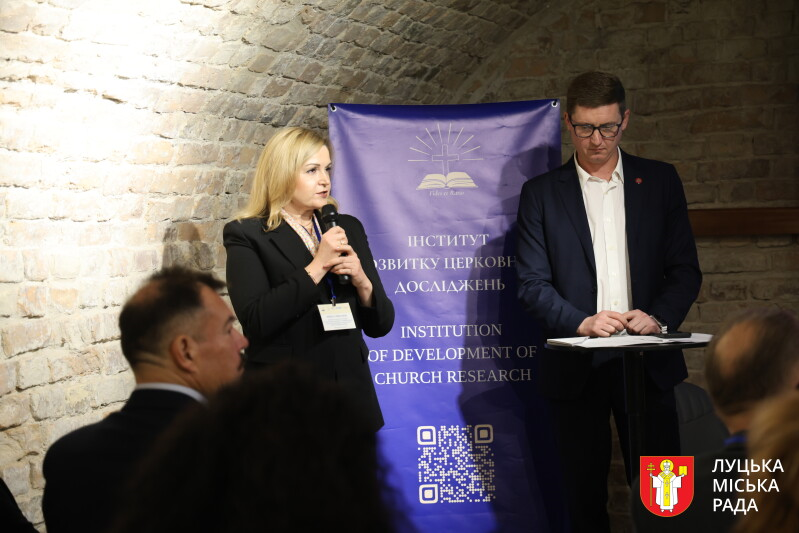
“Religion and the Church provide a space where everyone has the right to make choices, express opinions and hold their own views. That is why we must clearly remember that our history is shared: our paths developed in parallel, yet intersected in many ways. The revival of the Diocese is evidence that Lutsk is a community of people who continue to bring history, art and culture back to life. It is also a subject of research for Ukrainian and Polish historians. Lutsk has become precisely the place where we meet, discuss issues, express our views, engage in debate and discover common ground. There is still much to work on and much room for further development,” said Iryna Chebeliuk.
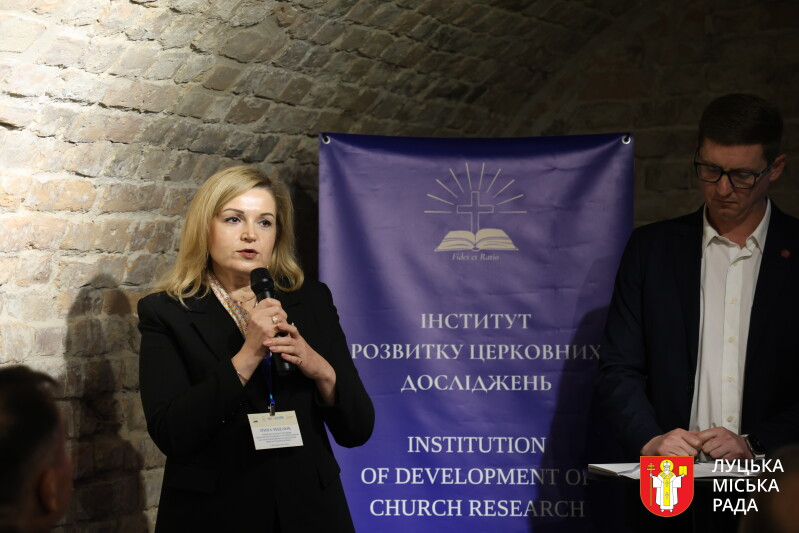
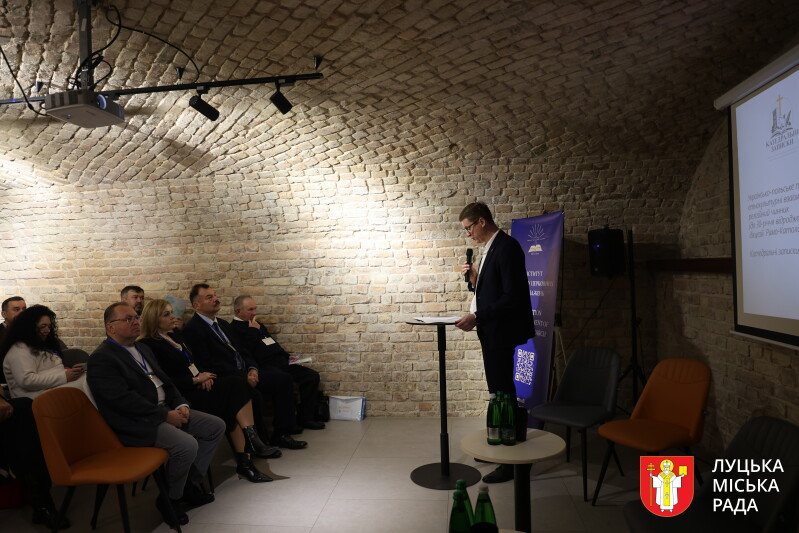
She thanked the organisers for choosing Lutsk as a venue for important research and discussions and wished the participants productive work and new insights.
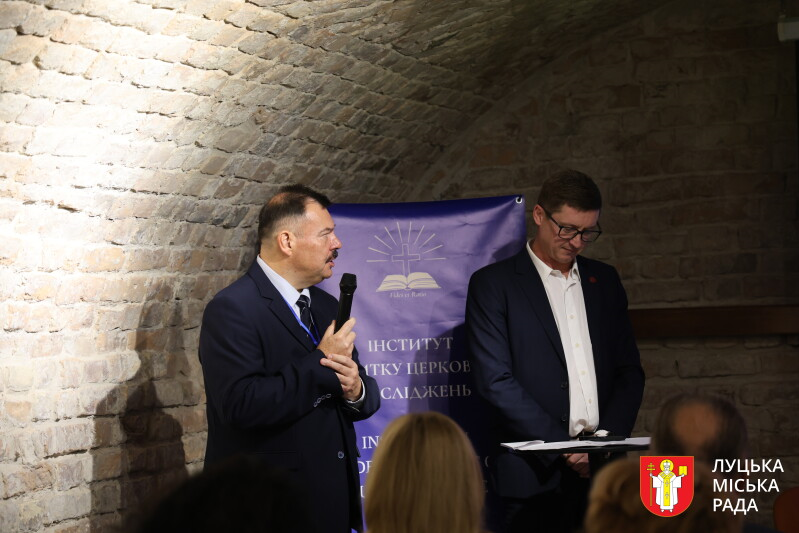
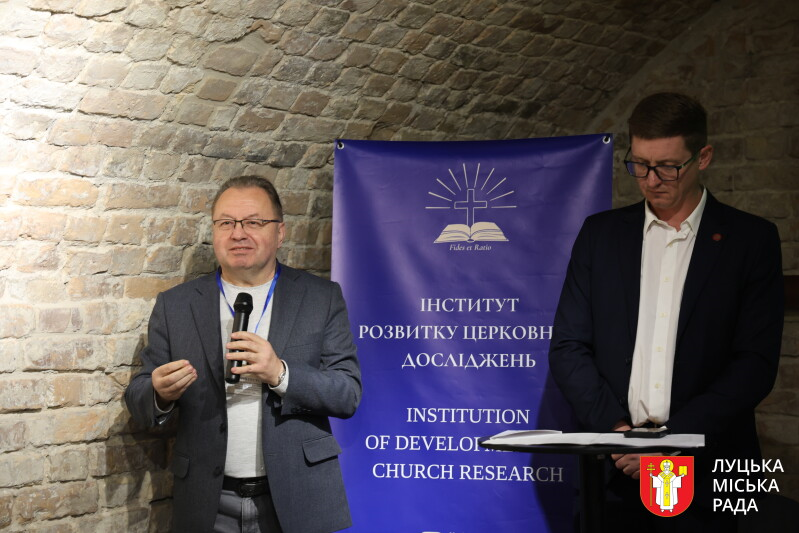
Pavlo Khomiak, Director of the Institute for the Development of Church Studies and Chancellor of the Diocese of Lutsk of the Roman Catholic Church, emphasised the importance of Ukrainian and Polish researchers jointly examining their shared history. According to him, despite differences in approaches and sources, the mutual study of historical heritage can provide a foundation for academic and public dialogue.
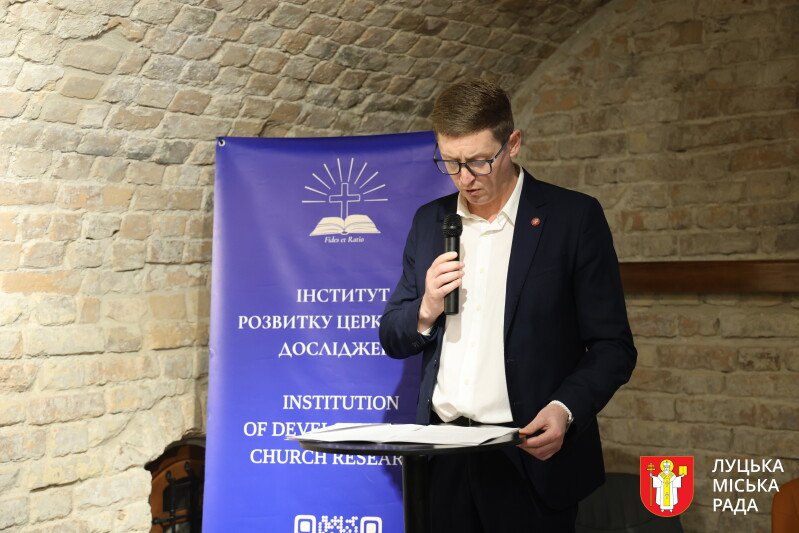
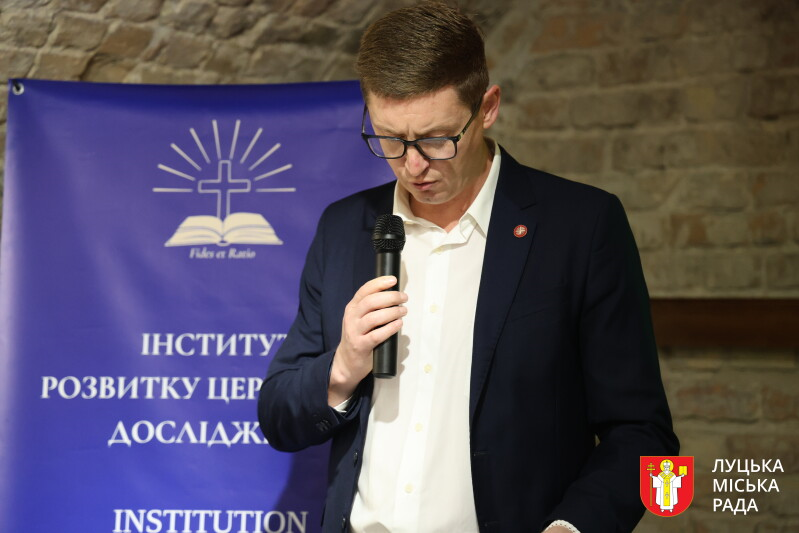
“For decades, Ukrainian and Polish historiographies of the borderlands have developed largely in parallel, drawing on different sources, national perspectives and terminology. Precise and honest language in describing the past, shared concepts, mutual engagement with historical sources and comparisons of archival materials from both countries are prerequisites for academic and public dialogue. Our conference should become precisely such a space: honest about the pain of the past and open to the possibilities of the future,” said Pavlo Khomiak.
For Reference
The Diocese of Lutsk is a territorial ecclesiastical jurisdiction of the Roman Catholic Church covering the Volyn and Rivne regions. Its history spans several centuries: Lutsk became an episcopal see in the 15th century. The cathedral of the diocese is the Cathedral of Saints Peter and Paul, located on Kafedralna Street.
According to the Roman Catholic Church in Ukraine, the diocese currently comprises 35 parishes and approximately 30,000 faithful. Its territory covers more than 40,000 square kilometres.